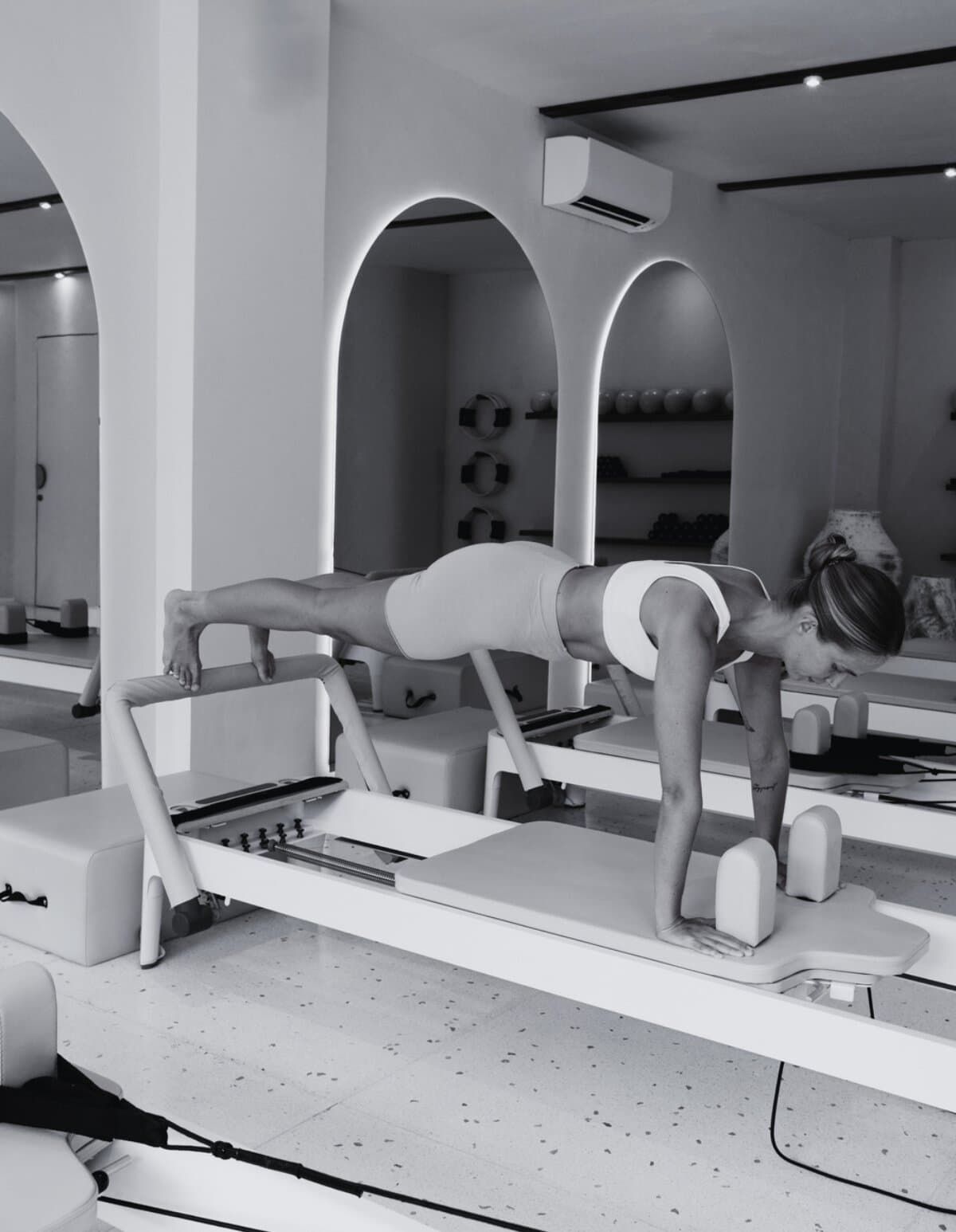
Low impact does not mean low effort
How Pilates and yoga build strength without a daily beatdown on your joints, and where smart progression still matters.
Jumping and heavy barbells are not the only path to being strong. Controlled load, time under tension, and balance challenges can leave you surprisingly worked, especially when joints appreciate a softer landing.
What “low impact” actually refers to
It usually means less repeated pounding through ankles, knees, and hips. You still load tissues, still create fatigue, still ask muscles to adapt.
That is useful when you are managing arthritis history, returning from injury, or simply want variety beside higher impact training.
Strength shows up as control
Holding a shape while a carriage moves, lowering slowly in a lunge, or balancing on one leg looks calm from the outside and burns on the inside.
Students are often surprised by soreness in deep hip muscles or along the spine after sessions that never left the mat.
Progression still matters
Low impact is not automatically safe. You still need progression, rest, and sometimes a pro’s eye on alignment, especially if something pinches or clicks.
The win is sustainable loading: enough challenge to adapt, enough recovery to absorb it, week after week.
Ready when you are
Book live Pilates and yoga with instructors on TryFlowly.